The “COTFLT” charge on your credit card is associated with a purchase from Capital One Travel. If this charge is unfamiliar, it’s advised to reach out to both the company and your credit card issuer for more details.
Let’s try to understand COTFLT in more depth.
What does the COTFLT charge represent?
COTFLT stands for “Capital One travel flight.” It is a charge that appears on your credit card statement when you book flights through Capital One Travel, which is the travel booking platform of Capital One.
When you make a purchase through Capital One Travel, the charge will appear as COTFLT followed by the date of the transaction and the airline’s name. For example, if you booked a flight on Delta Airlines on January 15th, 2024, the charge would show up as COTFLT 01/15/2024 DELTA in your credit card statement.
COTFLT charges also include taxes and other fees associated with your flight booking.
How to Spot a Legitimate vs. Suspicious COTFLT Charge?
Have you ever wondered how to distinguish a genuine charge from a suspicious one when it comes to COTFLT (Credit/Debit Card Fraud, Online Theft, and Identity Theft) incidents? In Section, we will dive into some key indicators that can help you differentiate between a legitimate charge and a suspicious one. Let’s learn how to protect ourselves from potential cyber threats!
What are the Legitimate Charges?
Legitimate COTFLT charges refer to those that are authorized and made by the original cardholder. These charges typically occur when you use your credit or debit card for a genuine purchase or transaction. The goal of identifying such charges is to confirm their authenticity and ensure that no fraudulent activity has occurred.
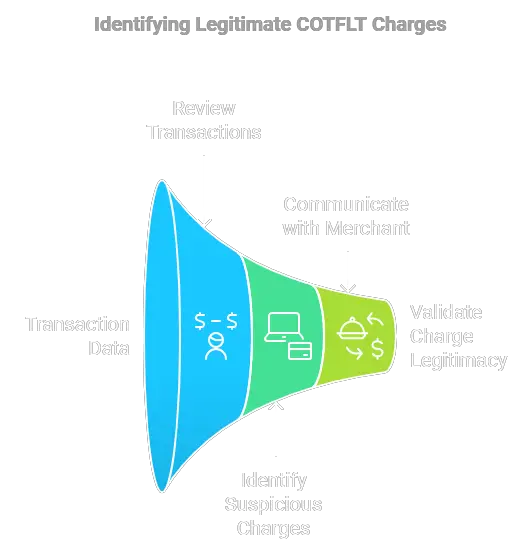
1. Review Your Transactions: The first step in differentiating legitimate charges from suspicious ones is to regularly review your account statements and transaction history. Familiarize yourself with your usual spending patterns, merchant names, and transaction amounts.
2. Validate Through Communication: If you come across a charge that you are unsure about, reach out to the merchant or service provider associated with that transaction. Communicating with them will help validate the legitimacy of the charge. A legitimate merchant will be able to provide details and clarify any doubts or concerns you may have.
How to Identify Suspicious Charge?
Now that we have covered the basics of legitimate charges, let’s move on to identifying suspicious ones. These are fraudulent charges that occur without the knowledge or approval of the cardholder. Recognizing these charges is crucial to take immediate action and prevent further unauthorized activities.
1. Unfamiliar Merchants or Websites: One key indicator of a suspicious charge is when the merchant or website name is unfamiliar to you. If you notice transactions from an unknown source, it’s important to investigate further. Conduct an online search to verify the credibility of the merchant or website linked to the charge. Be cautious if there are numerous complaints or negative reviews regarding their services.
2. Duplicate or Unauthorized Charges: Another red flag is when you notice duplicate charges or transactions you did not initiate. Sometimes, fraudsters attempt to make multiple unauthorized transactions using stolen card information. Be mindful of such occurrences and take immediate action by contacting your bank or card issuer to report the suspicious charges.
3. Inconsistent Transaction Amounts: Keep an eye out for significant deviations in transaction amounts. If you notice unusually high or low charges that do not align with your typical spending, it could indicate a suspicious activity. Fraudsters might attempt to test a stolen card’s validity by making small transactions before initiating larger unauthorized purchases. Stay vigilant and report any irregularities.
What to Do When You See a Suspicious Credit Card Charge?
If you see a suspicious credit card charge, there are several steps you should take to protect yourself and resolve the issue. Here’s what to do:
1. Review Your Statements: Regularly review your credit card statements, either online or when they arrive in the mail. Look for any unfamiliar or suspicious charges. You can also set up alerts with your credit card provider to receive notifications of any unusual activity.
2. Contact Your Credit Card Company: If you spot a fraudulent charge, immediately contact your credit card company’s customer service. Most credit card companies have a dedicated fraud department that can assist you with reporting and investigating the charge.
3. Provide Necessary Information: When reporting the suspicious charge, be prepared to provide details such as the transaction amount, date, and merchant name (if available). If you have any supporting documents, such as receipts or emails, have them ready too.
4. Freeze Your Card: To prevent further unauthorized transactions, ask your credit card company to freeze your card or block any additional charges. They will issue you a new card with a different account number.
5. Dispute the Charge: If the credit card company confirms the charge as fraudulent, they will likely remove it from your account. In some cases, you may need to complete a dispute form or provide additional evidence to support your claim.
6. Change Your Passwords: To ensure your personal information is secure, change your online passwords for any accounts linked to your credit card, such as online retailers or payment platforms, where the fraudulent charge may have originated.
7. Monitor Your Account: Continue monitoring your credit card account for any additional suspicious charges. Notify your credit card company immediately if you spot any new unauthorized transactions.
8. Check Your Credit Reports: Keep an eye on your credit reports from the major credit bureaus (Equifax, Experian, and TransUnion) to ensure there are no other fraudulent accounts or activities associated with your name.
9. Consider a Fraud Alert or Credit Freeze: If you suspect your personal information has been compromised, you may want to place a fraud alert on your credit file or even freeze your credit to prevent any unauthorized accounts from being opened in your name.
10. Report to Authorities: If you believe your credit card information has been stolen or involved in identity theft, you should report the incident to the local law enforcement agency or your country’s appropriate authority.
